
Most Canadians don’t realize how the tax system views their casino winnings until tax season rolls around. Are your lucky streaks safe from the taxman, or should you brace for a bill?
Table of Contents
How Canada’s Tax Code Treats Recreational Gambling
When the CRA Considers Gambling a Business
Poker Professionals and Their Tax Obligations
Record-Keeping Habits That Protect You at Audit Time
Cross-Border Winnings and Withholding Tax Issues
How Canada’s Tax Code Treats Recreational Gambling
In Canada, the general rule is simple: casual gamblers don’t pay taxes on their winnings. That means if you hit a jackpot at Niagara Falls or win a few hands at blackjack, those earnings usually fly under the radar. The Canada Revenue Agency (CRA) views recreational gambling as a game of chance, so casual wins are considered windfalls, not taxable income.

For example, if you win $5,000 on a slot machine or at a poker night with friends, you won’t owe tax on that amount. But here’s the catch – losses are also not deductible. So, you can’t claim your $3,000 losses against your winnings. This approach keeps things straightforward for most Canadians who play for fun.
Popular games like European Roulette or Starburst slots fit into this category easily. But this changes if the CRA suspects you’re running a gambling operation rather than playing casually.
When the CRA Considers Gambling a Business
The CRA steps in when gambling looks more like a business than a hobby. That usually means regular, systematic play aimed at profit. If you’re placing consistent bets, keeping detailed records, or relying on gambling as a main source of income, the agency might classify you as a professional gambler.
When this classification applies, your gambling income becomes taxable, just like earnings from any other business. That means you’d have to report all your winnings and can deduct related expenses like travel or entry fees.
Interestingly, even online casinos can fall under this scrutiny. If you use electronic payments like Paysafecard, which is popular among Canadian gamblers, the CRA could track patterns more easily. For a good overview of sites accepting this payment method, check the list of Paysafe casino sites built by PaysafeCardCasinosOnline.com.
This business classification isn’t common, but it’s something to watch out for if you’re playing frequently with high stakes.
Poker Professionals and Their Tax Obligations
Poker players occupy a gray area. If you’re a casual player winning a few hands here and there, you’re likely off the hook tax-wise. But for poker pros who treat the game as their job, the CRA expects you to report your income.
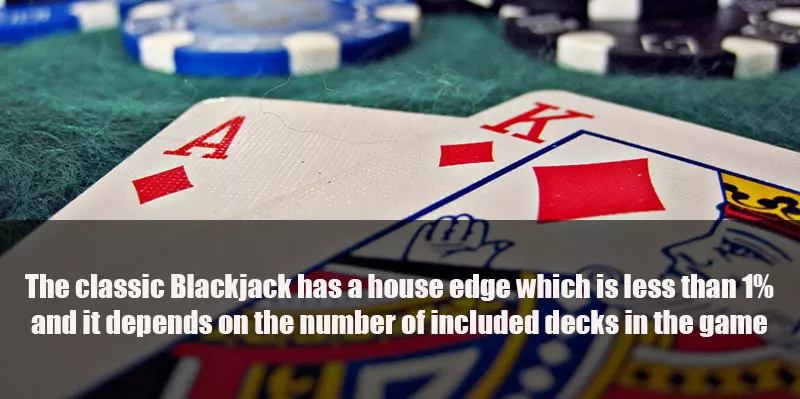
Take someone regularly playing Texas Hold’em tournaments for a living. The CRA will view their winnings as business income, especially if they keep track of stakes, expenses, and winnings meticulously. This means declaring all their earnings and deducting costs like entry fees and travel.
Unlike slot or roulette players, poker pros face more scrutiny because skill and strategy heavily influence results. The CRA’s stance is that consistent profits over time indicate a business. If you want to sharpen your poker skills and stack management, this web link offers some interesting strategies.
Record-Keeping Habits That Protect You at Audit Time
Whether casual or professional, keeping good records can save you headaches. The CRA requires proof of income and expenses if they ever audit you. For recreational gamblers, this is rare, but pros should be meticulous.
Keep track of every win, loss, tournament entry fee, and travel cost. Screenshots, bank statements, and receipts all add up to solid evidence if the CRA comes knocking. For instance, if you play online or at physical casinos in Canada, logging your sessions helps clarify your tax position.
Good records can also help you appeal if the CRA misclassifies your status. Staying organized means less stress and clearer tax filings.
Comparison Table: Tax Treatment of Different Gambling Scenarios in Canada
| Gambling Type | Taxable Income? | Loss Deductible? | Record-Keeping Needed? |
|---|---|---|---|
| Recreational Slot/ Roulette Wins | No | No | Not necessary |
| Professional Poker Player | Yes | Yes | Essential |
| Regular Online Casino Player (Business) | Yes | Yes | Essential |
| Casual Lottery Wins | No | No | Not necessary |
Cross-Border Winnings and Withholding Tax Issues
Cross-border gambling adds complexity. If you win at a US casino or an offshore online site, tax rules can bite differently. The US often withholds 30% tax on winnings paid to Canadians, but Canada has tax treaties that may reduce this rate.
You’ll need to report foreign winnings on your Canadian tax return if gambling is your business. For casual wins, you typically don’t report them, but keep evidence of foreign taxes paid. You might get a credit to avoid double taxation.
Online gambling sites outside Canada may withhold tax upfront. It’s wise to understand the withholding rules before you cash out. Also, some sites don’t withhold taxes, but you still may owe the CRA come tax time.
Managing these nuances is vital if you frequently gamble across borders. Ignoring it could trigger unexpected tax bills or audits.
Recent Comments