
Ever wonder what it takes to become a casino dealer? It’s more than just shuffling cards and handing out chips-there’s a whole world of skills behind the scenes.
Table of Contents
Game Rules and Dealing Procedures for Core Table Games
Chip Handling, Card Mechanics, and Shuffle Technique
Customer Interaction and Conflict Resolution Skills
Anti-Cheating Awareness and Surveillance Cooperation
Certification Exams and Practical Assessments
Game Rules and Dealing Procedures for Core Table Games
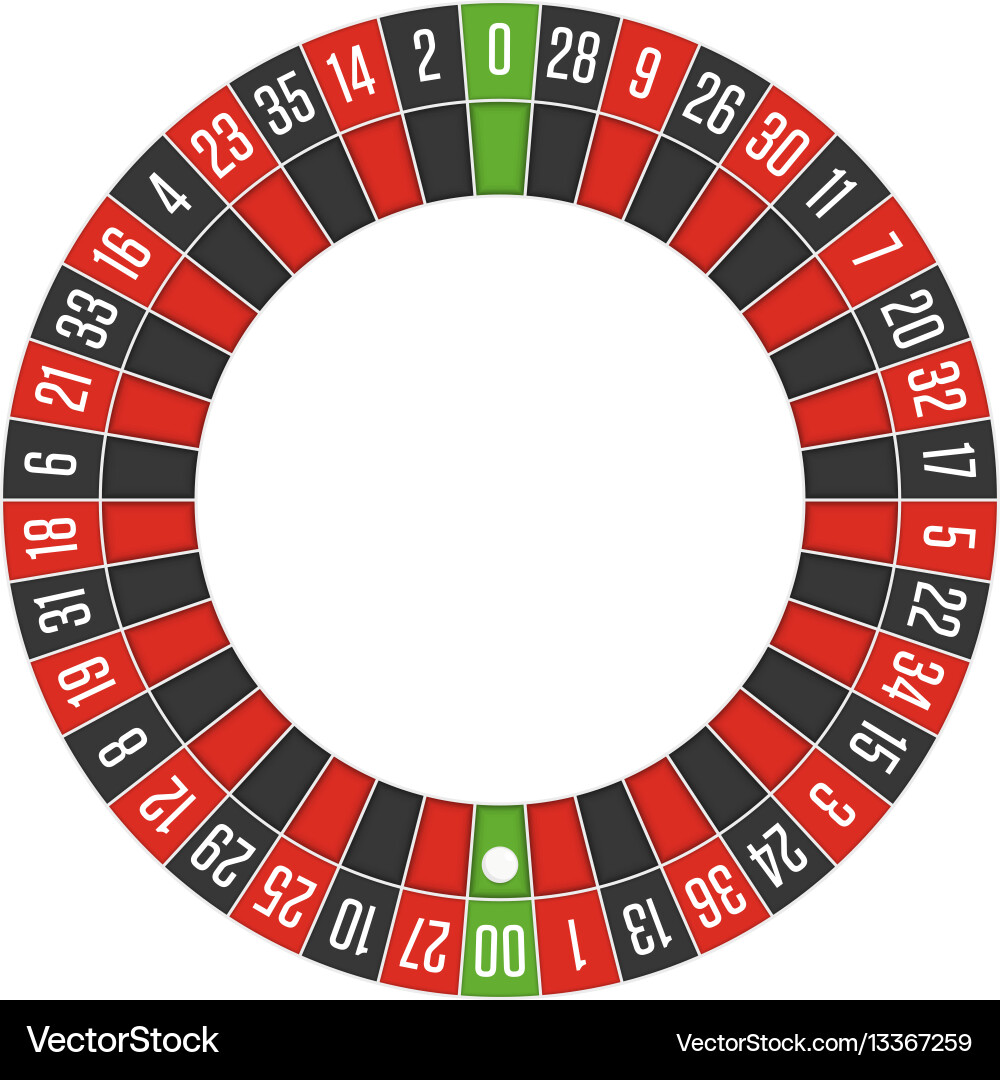
Training starts with a deep dive into the core table games: Blackjack, Roulette, Baccarat, and Texas Hold’em. New dealers memorize the specific rules for each game-like knowing that Blackjack pays 3:2, or that European Roulette has a single zero. They practice dealing cards with precise timing and learn how to manage bets on the table layout. For example, in Blackjack, dealers must hit on 16 or less and stand on 17 or more, while in Baccarat the dealer must follow strict rules for drawing the third card.
Besides rules, dealers master dealing procedures such as announcing bets, dealing cards face up or down, and paying out winnings accurately. They get hands-on with chips, learning how to stack and distribute them efficiently during gameplay. The training also covers handling edge cases, like what to do if a player tries to bet after the deal has started or if there’s a dispute about a bet placement. This foundational knowledge ensures smooth, confident dealing from day one.
Chip Handling, Card Mechanics, and Shuffle Technique
Next up: the tactile skills. Dealers spend hours perfecting chip handling-stacking, counting, and exchanging chips quickly without mistakes. They also learn card handling mechanics, including proper grips, smooth card pulls, and flawless card delivery to players. Shuffling is an art form in itself; dealers practice riffle shuffles, strip shuffles, and the all-important cut to randomize decks.
Interestingly, training sometimes references modern casino tech-like cashless systems-so you might hear about innovations such as the Google Pay payment casino that integrate digital payments with chip play, even though dealers still need to handle physical chips expertly. This blend of old-school skills and new tech makes the role more complex than it looks. Trainers emphasize consistency and speed to keep games moving and avoid delays that frustrate customers.
Customer Interaction and Conflict Resolution Skills
Dealers aren’t just mechanics; they’re frontline customer service pros. Training covers how to interact warmly with players, keeping the atmosphere friendly yet professional. New dealers learn to read player moods and respond appropriately-whether it’s explaining rules patiently or cracking light jokes to ease tension.
Conflict resolution is a key part of the curriculum. Dealers practice handling disputes calmly, like when a player claims an incorrect payout or accuses another of cheating. They’re taught to stay neutral, call supervisors when needed, and document incidents accurately. The goal is to maintain trust and fairness at the table without escalating conflicts. Effective communication skills help dealers manage even stressful situations smoothly, which benefits the casino’s reputation and keeps the game fair.
Anti-Cheating Awareness and Surveillance Cooperation
Casinos take cheating seriously, so dealers train extensively on recognizing suspicious behavior and cooperating with surveillance teams. They learn signs like unusual betting patterns, chip dumping, or card marking. Dealers also get familiar with casino surveillance technology and how their actions tie into the bigger security picture.
Part of the training involves scenarios where dealers must report potential cheating discreetly and follow protocols to avoid tipping off suspects. This vigilance protects everyone’s interests-players, casino, and staff alike. For more insights on casino security and regulatory compliance, you can go right here.
| Training Aspect | Focus | Duration | Key Skill |
|---|---|---|---|
| Game Rules | Blackjack, Roulette, Baccarat | 2 weeks | Accuracy and Memory |
| Chip & Card Handling | Shuffling, Dealing, Stacking | 3 weeks | Speed and Dexterity |
| Customer Service | Communication, Conflict | 1 week | Calmness and Diplomacy |
| Security | Cheating Detection, Surveillance | 1 week | Alertness and Reporting |
Certification Exams and Practical Assessments
Finally, new dealers face certification exams that test their knowledge and skills. These include written tests on game rules and procedures, plus practical assessments where they deal real or simulated games under supervision. Examiners look for precision in dealing, chip handling, and how well they manage the table flow.
Passing these exams is mandatory before a dealer can work on the casino floor. Trainers give detailed feedback, often highlighting small mistakes like improper card cuts or slow payouts. Some casinos require refresher courses every year to keep skills sharp. The certification process ensures that when you sit down at a table, your dealer knows exactly what they’re doing-no guesswork, no hesitation.
So, next time you watch a dealer in action, remember: behind that smooth shuffle and quick payout is hours of training, practice, and a lot of skill.
Recent Comments